Slovakia's Ore Mountains⚒️🏔️
Part II of the Central Europe Series. This time, I guide you through Slovakia's mineral riches. This article hosts gold, silver and antimony anomalies.

Slovakia is located in Central Europe, bordering Poland in the north, Ukraine in the east, Hungary in the south, Austria to the west and Czechia in the northwest. The country has about 5.5 million inhabitants, roughly half of Czechia. The capital is Bratislava, with about half a million people living there.
Slovakia’s economy is mostly dependent on car manufacturing. Around one million cars are produced per year, so per person, the country is the top manufacturer globally. In terms of wealth, Slovakia’s GDP per capita stands at €22,500, the average salary is around €1500/month. In comparison, that is 60% of German salaries or 70% of the EU’s average purchasing power.
So Slovakia ranks somewhere in the middle: It is neither poor nor rich.
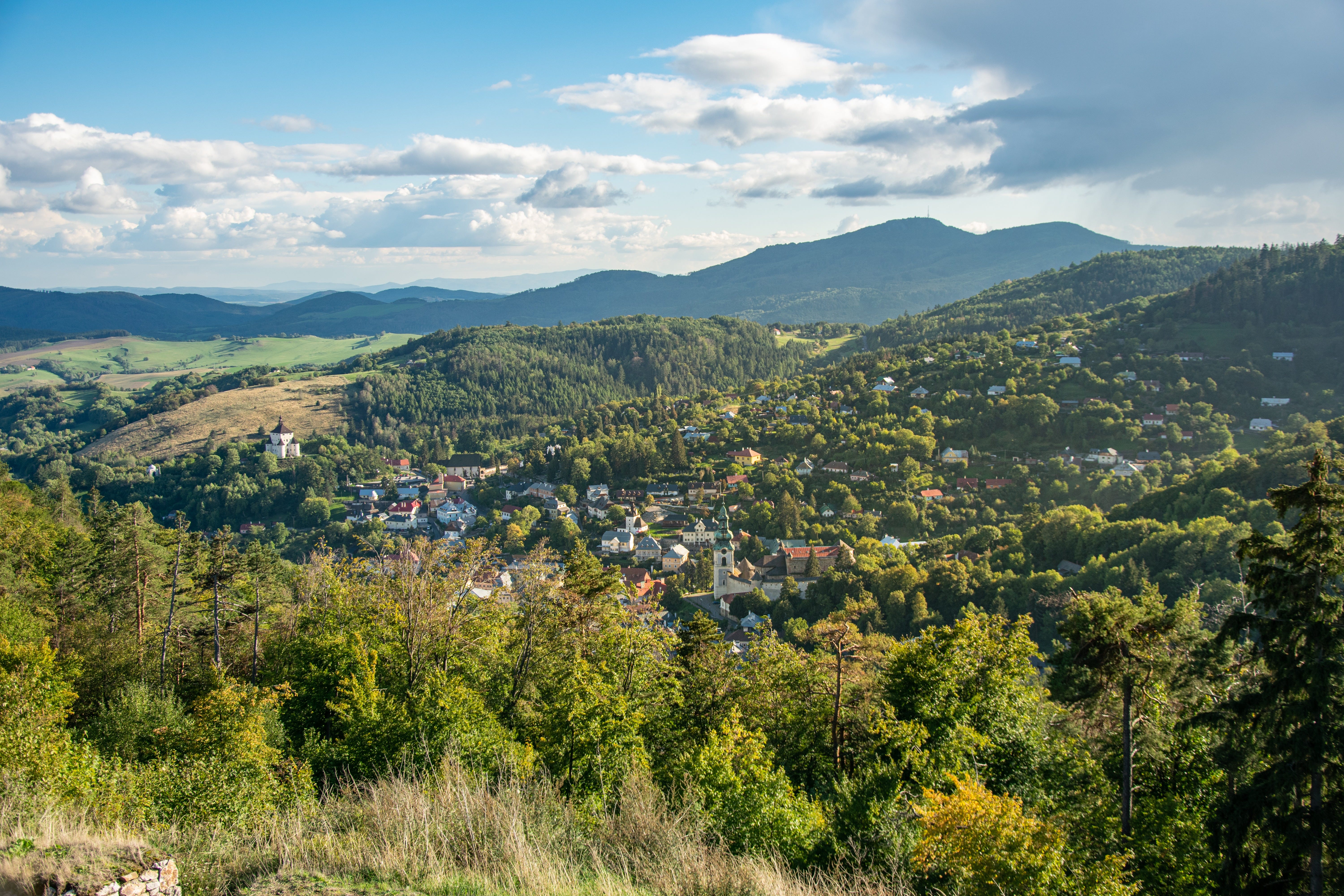
Small Country - Complex Geology
Albeit the small size of the country, Slovakia’s geologic history is complex, since it was affected by two orogenies (mountain-forming processes): First, the Variscan Orogeny which formed the backbone of Central-Western Europe around 300-400 million years (Ma) ago and later, the Alpine Orogeny (~100-20 Ma) affected the country again, thus deforming the older rocks and creating some new features. Orogenies are often responsible for ore-forming processes, and it is therefore not surprising that Slovakia has quite a mineral variety to offer. Thanks to the location within the West Carpathians, there are plenty of outcrops due to the mountainous scenery.
The Variscan Basement
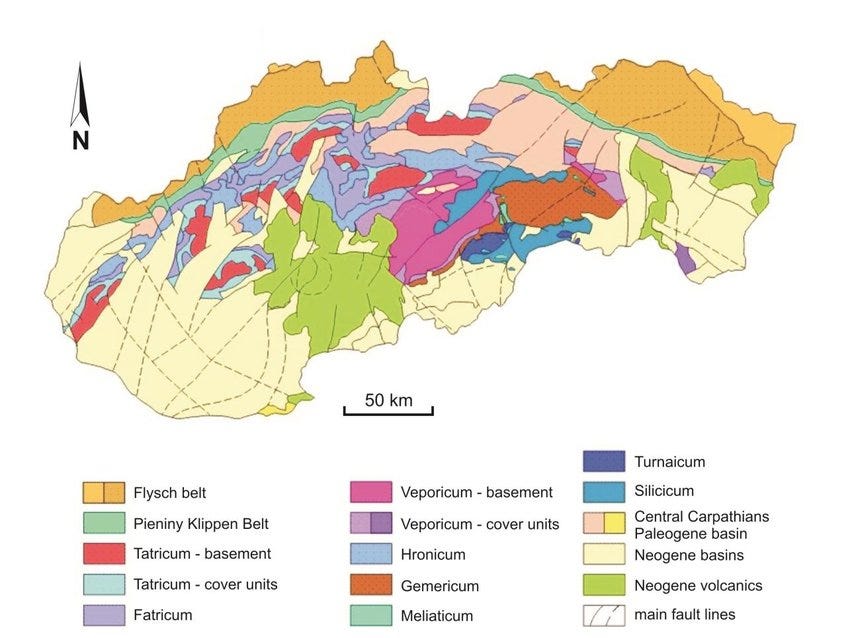
The crystalline basement and oldest rocks of the country consist of metamorphic units that are made up of schists, phyllites, gneisses and amphibolites, reflecting the diverse nature of the Cambrian to Devonian protoliths. The most important units are the Tatric Unit in the northern part bordering Poland, the Veporic Unit in the western centre of the country and, most important for mineralisations, the Gemeric Unit in the eastern centre. The Gemeric Unit is roughly congruent with the Slovak Ore Mountains.
These metamorphic units were formed under immense pressure and temperature during the continent collision of the Variscan orogeny. When the collision is over, pressure decreases and compression is replaced with extension. The decreasing pressure lowers the melting point of the rocks, and commonly post-collisional granites form. At the surface, the extensions cause basins to form, and those get filled with sediments derived from the eroding mountains. Slovakia is no exception here. Hence, we find a few granitic intrusions in the Variscan metamorphics, as well as sedimentary basins that can also contain volcanic rocks. Unlike other geologically similar basins in Europe, there is no hard coal of economic importance here.
Between Variscan and Alpine orogeny, a quiet phase allowed sediments to deposit on top of the Variscan and post-Variscan Units. Because these units are the pre-Alpine basement, the Tatric, Veporic, Gemeric Units comprise everything Variscan to pre-Alpine Mesozoic sediments. These units are roughly similar in geology but are divided by large Alpine thrusts. These rocks were (again) metamorphically overprinted in the Cretaceous. Peak metamorphosis is between 110 and 75 million years. Think of it as various islands pressed together and the result are some big mountains.
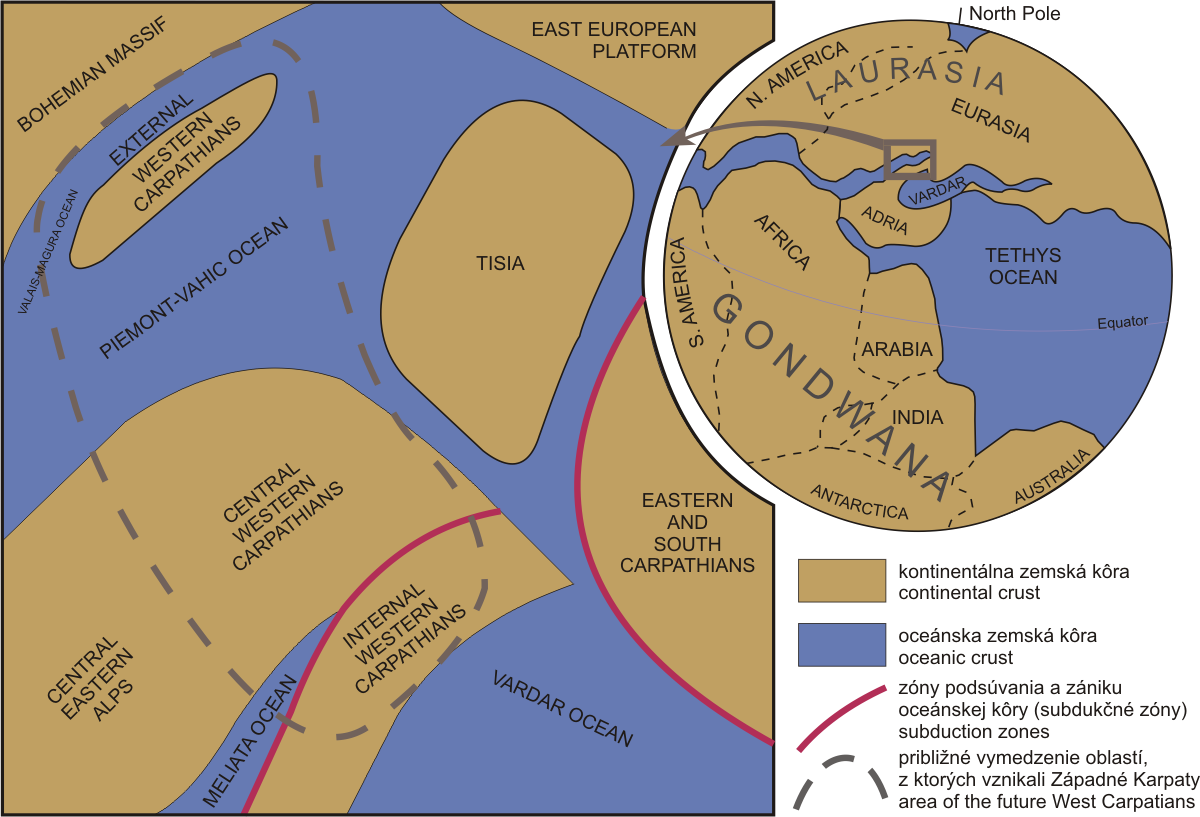
In the northwest and northeast, roughly parallel to the borders of Czechia and Poland, we find the Flysch belt. Flysch is a term for sedimentary material deposited in a trench between two colliding plates. This is all the eroded material pressed together by the ongoing collision. In our case, these sediments were deposited on the East European platform and, hence, are on the “other side” of the collision. This part in therefore called the Outer Carpathians, whereas the previous described rocks are part of the Inner Carpathians. The border is marked by the Pieniny Klippen belt, a complex tectonic zone with characteristic blocks of limestone that survived this geological accident and now form impressive cliffs (=Klippen in German, first described by an Austria geologist).
Last and definitely not least is the Neogene (5 to 20 million years ago) volcanism caused by subduction of oceanic crust and back-arc extension in the Pannotian Basin (roughly today’s Hungary). This andesitic volcanism formed typical stratovolcanoes and calderas whose remnants can still be found today, especially around Banská Štiavnica and in the East of the country. Let’s have a closer look.
How the Metals got into Slovakia
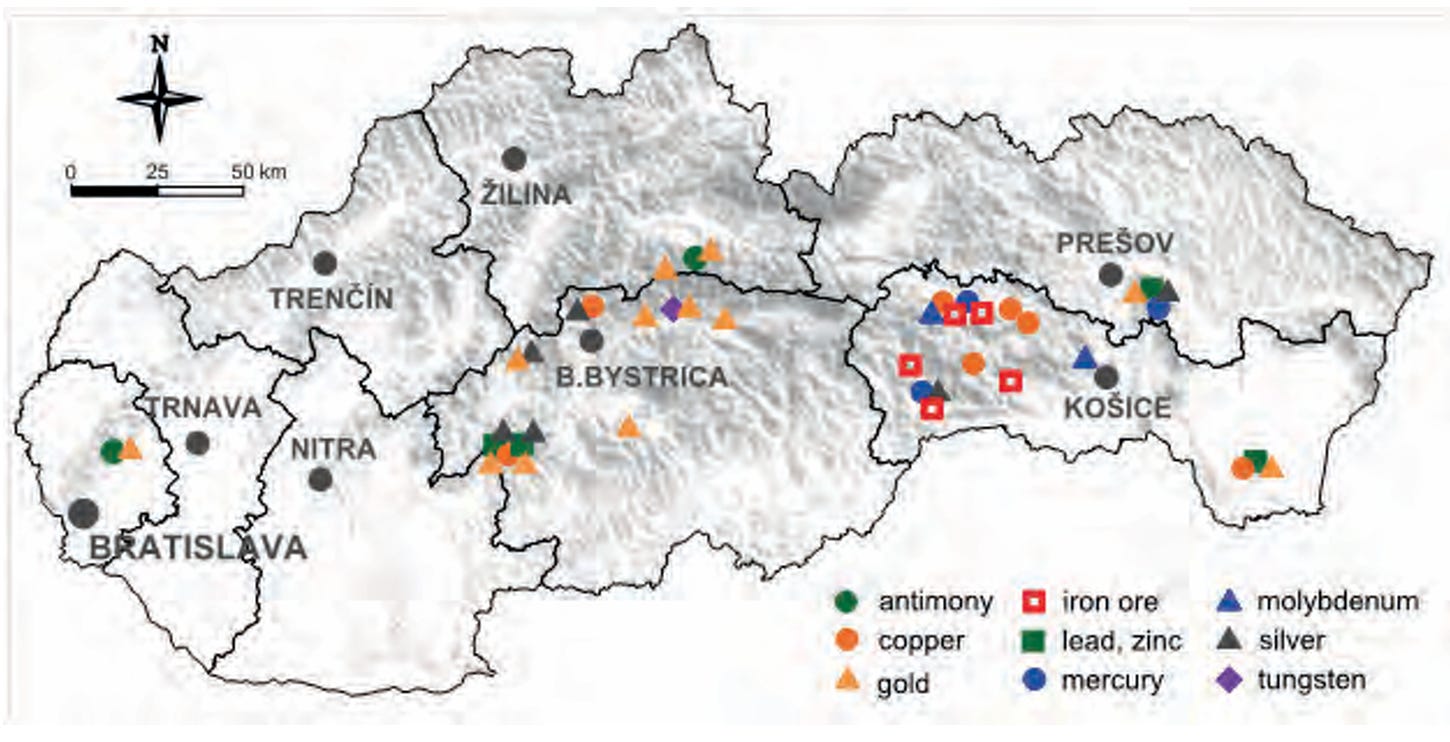
And this brings us to how the metals got into Slovakia. In the case of the Neogene volcanism, veins formed in and around the volcanoes. Most of them are low to intermediate sulphidation systems hosting gold and silver, but also base metal (copper, lead, zinc) mineralisations. Also associated with the volcanoes are porphyry-style copper-gold systems, like they are found in the South American Andes.
Perhaps you remember, the same process already happened a ‘few’ years earlier after the Variscan Orogeny was over. So you would expect similar mineralisations in those rocks. However, that is not the case, to my knowledge, nowhere in Europe. Why? That remains kind of a mystery to me, and I’m happy to if some fellow geos reading this have an idea.
Instead, the Variscan rocks were faulted during the post-Variscan extension and also during the Alpine Orogeny. Within these faults, fluids that leached metals from the surrounding rocks could circulate and precipitate ore mineralisations. Think of veins as cracks filled with minerals, mostly quartz and in this case, siderite (iron carbonate) is dominant as well, which is a local speciality. Given the complex tectonic history of the area, it is no surprise that the veins have been reactivated a few times or were faulted a well. This does not only make the mineralogy more complex, it might also be quite challenging for mining and exploration to follow these structures.
Anyway, the veins of the Slovak ore mountains contain the already mentioned siderite, which can be used as iron ore (like in Eisenerz, Austria). The sulphidic mineralisation of these veins is rich in silver, copper, lead, zinc and sometimes also gold, antimony, nickel and rarely cobalt.
Dispersed through the country and associated with the metamorphic Variscan rocks and likely the Neogene volcanic activity, there also are antimony-gold-(mercury) veins.
Probably the oldest mineralised features of the country are some Variscan granites that host Greisen-style tin mineralisations, which so far have not been of economic importance (more on these later).
Short Mining History
Until 1945, there was also a sizeable German minority, living mostly in the central parts of the country. Like in Czech history, the Germans in Slovakia were invited to resettle areas devastated by the mongols in the 12th century. Like in other areas in the region, the German settlers were crucial to establishing mining towns, brought in new technologies and experienced miners and Austrian/German capital (think of Jacob Fugger of the bankers of Nuremberg) allowed for large investments otherwise not possible. But the Germans were not the first to identify Slovakia's mineral potential.
Mining in today’s Slovakia dates back to Celtic tribes extracting gold and silver there. In Roman times, the gold mines were of interest for emperor Trajan when he invaded Dacia (roughly today’s Romania) for the Carpathian gold mines. Slovakia’s territory was never part of Rome, but there was some influence still, and Slovak gold was mined and traded to Rome at this point in history.
In medieval times, the Slovakian Ore Mountains - a reference to the German-Czech Ore Mountains - was the busiest place for mining in Europe and created, i.e., the fortune of the Fugger family, a rich banker family of that time. Also, the Kingdom of Hungary benefited from the mineral wealth and until the Ottoman arrived, it was a respectable force in the concert of Europe and also a very advanced nation.
With the discovery of America, precious metal prices in Europe dropped dramatically and mining in many places became uneconomic. That was also because of higher costs of production, as many surface-near deposits were mined out at that time. The Ottoman invasion and the following wars and uprisings put an additional burden on the regional economy as well. This affected copper and iron mines less than gold and silver mines.
In the 17th century, times got better and mining production increased again when modern techniques were employed to reach deeper levels and solve the water issue. The first steam engine on the European continent was built in Banská Štiavnica in 1722 and pumped water out of the mine.
When the industrialisation started in the 19th century, the demand for iron and base metals increased and metals like antimony that had limited or no use before turned into valuable commodities. Many mines were opened and the close vicinity to Bohemia - the industrial heart of the Austro-Hungarian Empire - and Hungary proper, a booming region in the late 19th century (just have a look at Budapest, it is magnificent) provided the Slovak miners with sales markets for their products.
That all changed after WW1. Austria-Hungary ended like a plate hitting the ground. Instead of being part of the k.u.k. Empire, Slovakia was now part of Czechoslovakia. The map changed completely. Austria and Hungary were now independent nations, and so was Poland to the north, Romania gained Transylvania, and the Hungarian Kingdom lost 70% of its territory. Although WW1 was over, many local conflicts broke out. Chaotic times.
All these countries had their problems which each other, so trading wasn’t that easy, and the economic boom was over as well. Another problem was cultural: Mining in Slovakia was in the hands of mostly Germans and Hungarians. Many Hungarians left to Hungary after WW1, and so left their expertise. While most Germans stayed in Slovakia, German was no official language any more, so reports needed to be written in Slovak. But the Slovak language missed many terms to describe the rather sophisticated mining activity. Despite all odds, Slovakia stayed an important mining hub for the Czechoslovak industry, and, i.e. produced between 5-7% of global antimony in the interwar period. Arms industries played a large role as well.
After WW2, a socialist regime was established in the country and the Germans were expelled in 1945 (a third of the Czechoslovak population). Adding to the destruction from the war, the German miners and engineers were now gone as well. However, the Socialist governments of the Soviet bloc followed the policy of self-sufficiency in terms of mineral production. Therefore, many mines were subsidized (and nationalized, of course) and state-funded exploration campaigns were carried out. Precious metals in the Socialist Period weren’t that important, the focus was mostly on base metals to supply the industry.
After the collapse of the Soviet bloc in 1989/90, miners were faced with low metals prises, collapsing demand and privatization. Thus, all but the Rozália mine near Banská Štiavnica were closed in the 1990s, a similar fate to that of Czechia or East Germany. So, despite its rich mining history, Slovakia is only left with one small mine. And oddity of history?


Banská Štiavnica - Gold, Silver & a Volcano
Let’s talk about some of the deposits. Banská Štiavnica (speak: Shtiavnitsa), also known under its German name Schemnitz or its Hungarian name Selmecbánya, has been the centre of Slovak mining for centuries. Gold mining started in Celtic times around the 3rd century BC, when gold was found in the local creeks. Later, the Romans mentioned some mining operations in the area as well. With the arrival of the Hungarians in the Pannotian basin in the south, a Hungarian castle was established in the place called Štiavnica - which means acidic stream. Hungarians added bánya to that name - and bánya means mine.
In the 13th century, skilled German miners arrived and settled among Slovaks and Hungarians; thus the city also got a German name. At around the same time, the town became one of the first official mining towns within the Kingdom of Hungary - thus gaining special privileges and rights. The town grew continuously and was an important producer of gold and silver, and copper played a role as well.
When the Ottomans appeared on the scene, they obviously had an interest in conquering the rich mining towns of central Slovakia. Hence, large fortifications were constructed. Luckily, the Ottomans were unable to conquer the town, so the population was spared of centuries of oppression and abduction, unlike their fellow countrymen and -women further south.
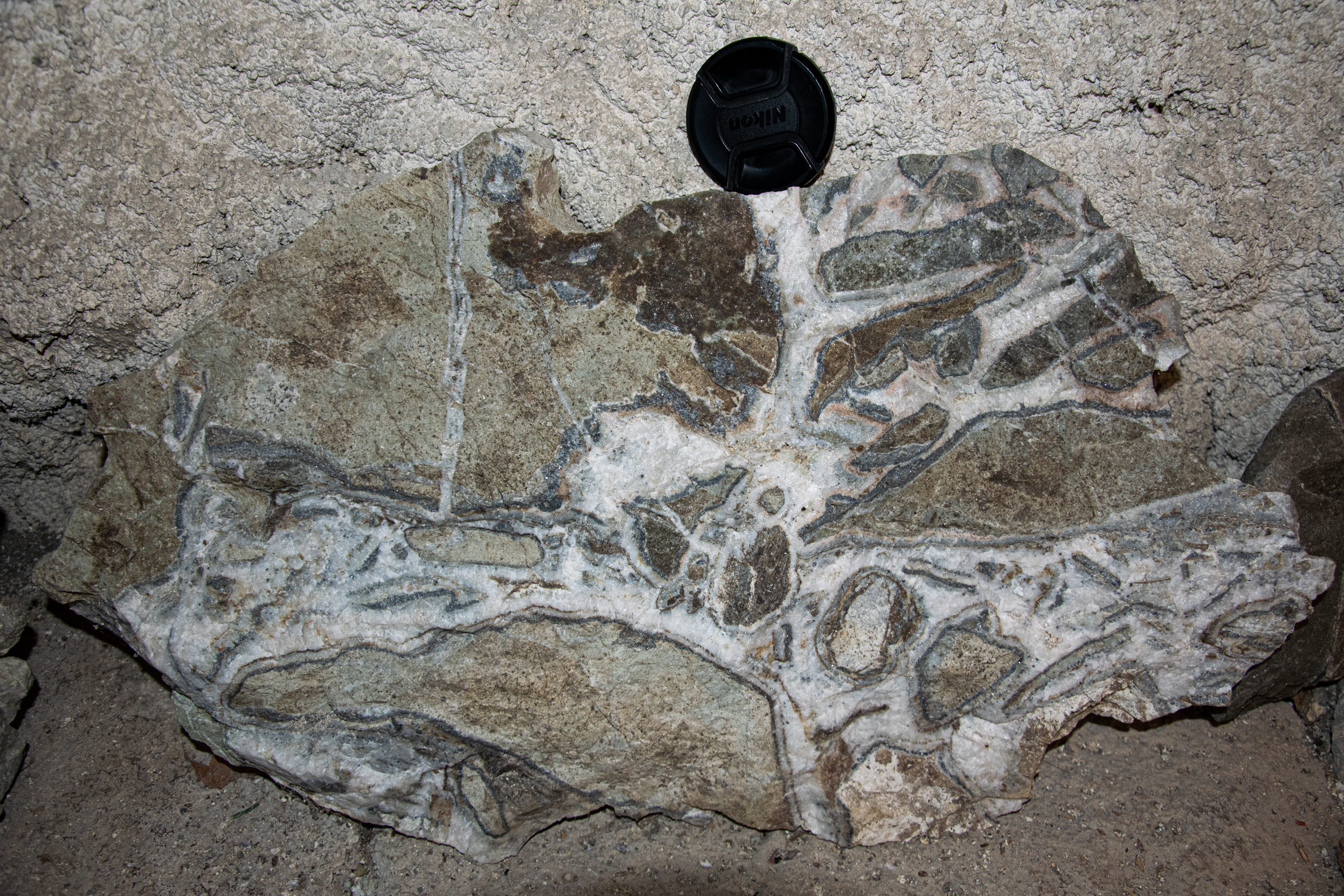
Instead, the town prospered: In 1627, gunpowder was introduced to the mine. Banská Štiavnica was one of the first places globally where this method was established. The production reached a record in 1690 with 29t of silver and 605kg gold mined, a truly impressive output for that time.
A century later, in 1735, a mining school was founded - also the first of its kind. By the end of the 18th century, the town incl. suburbs around other mining fields had 40,000 inhabitants, making it the third-largest town in the Kingdom of Hungary.
But after centuries of exploitation and with decreasing silver prices, the mines became less and less profitable in the second half of the 19th century. With decreasing mining activity, the population moved away. The troubles of the 20th century (WW1, break-up of Austria-Hungary, war between Hungary and Czechoslovakia, WW2, expulsion of the Germans, socialism, end of socialism… boy, what a mess) didn’t improve the situation. However, mining could be kept alive, with a focus on copper during Socialist times. After some restructuring in the 1990s, the district - unlike most others - survived low metal prices and until today produces a Pb-Zn-Cu-Ag-Au concentrate. The only active mine today is Hodruša, operated by Slovenská banská, spol. s. r. o.
According to estimates, some 80t Au, 4,000t Ag, 70,000t of Zn, 55,000t of Pb, and 8,000t of Cu have been mined from the district. Given these are historic numbers, it is quite a bit, especially considering the precious metal content (Lexa et al., 1999a).
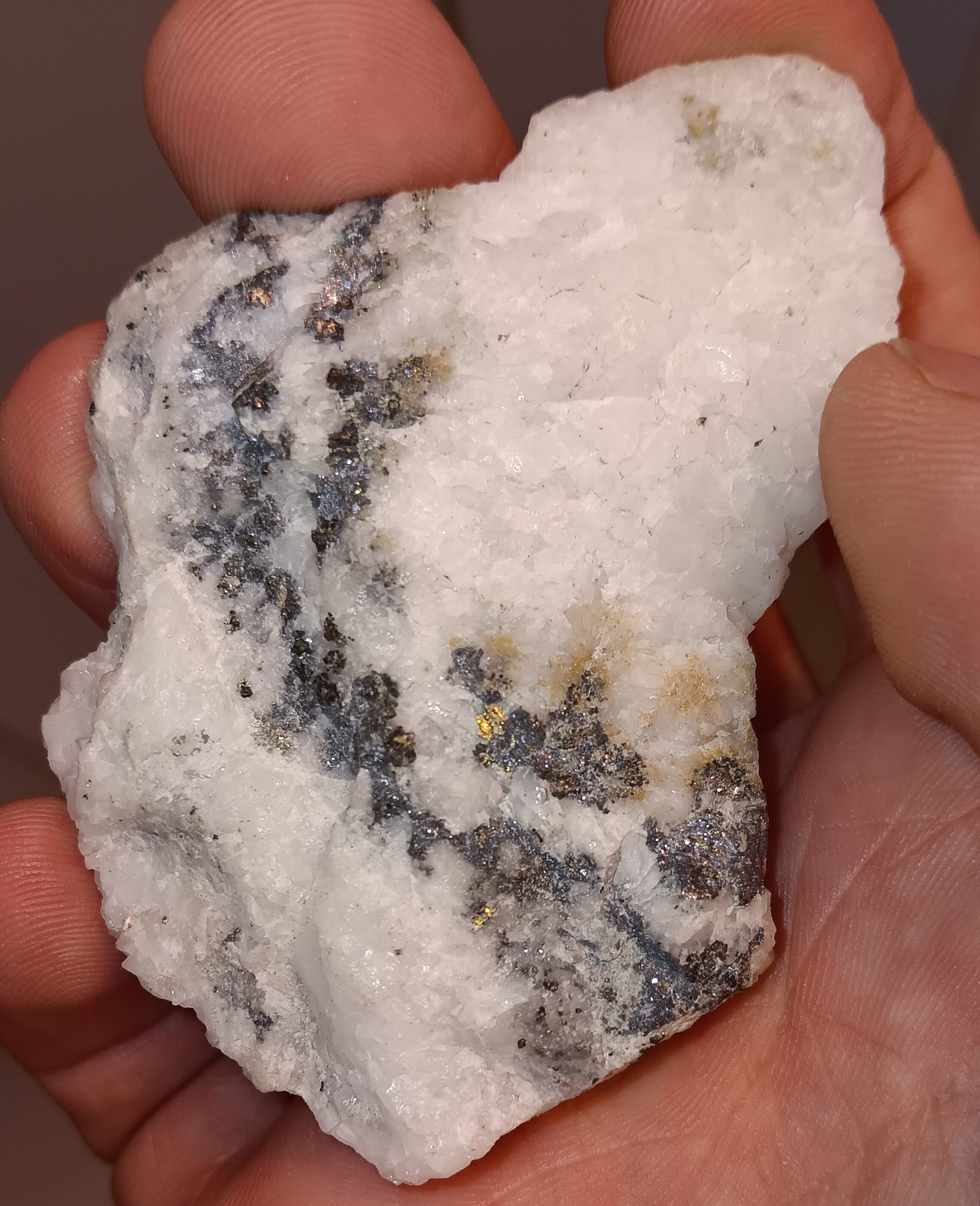
Okay. But you’re here to see the gold, right? No worries, here you go:
The Geology of the Banská Štiavnica District
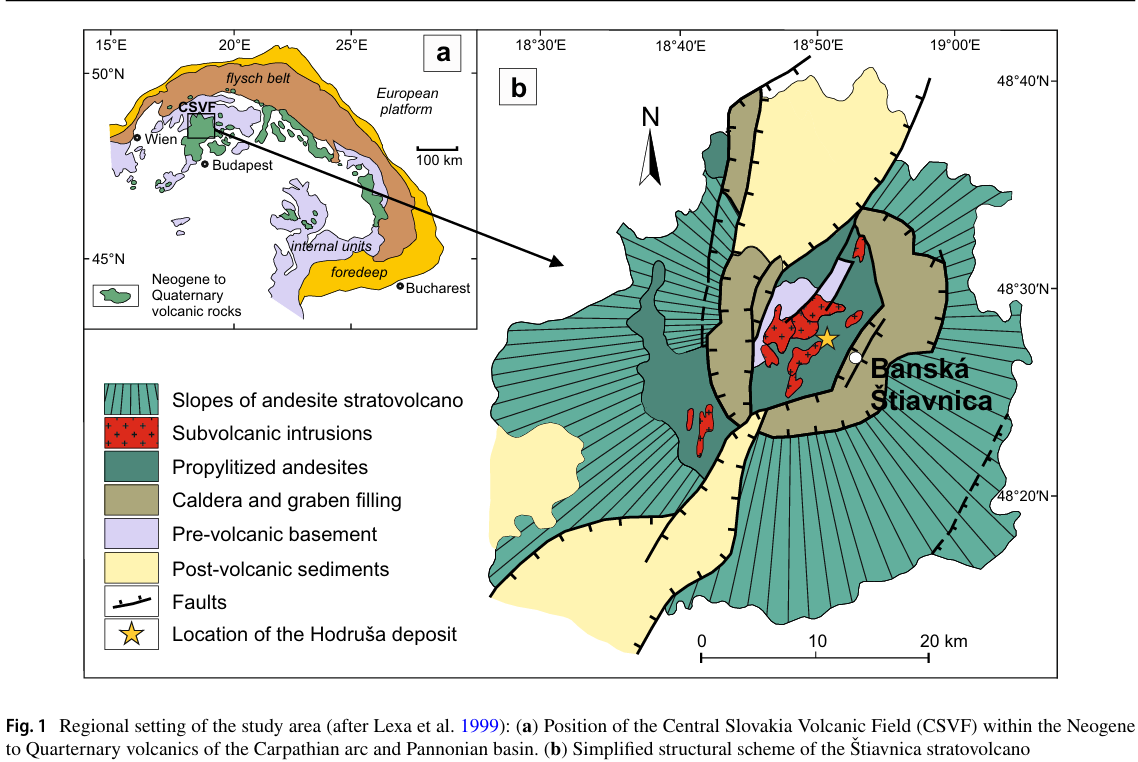
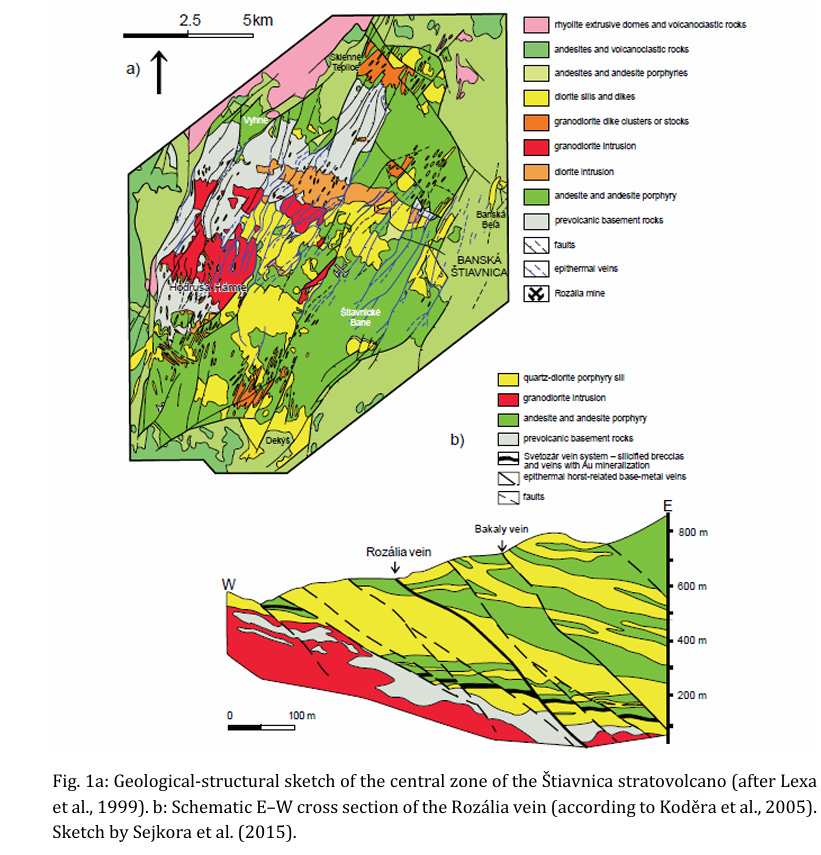
The actual town is located in the centre of a volcanic caldera. Around 15 Ma ago, a large stratovolcano formed here that ultimately collapsed. The formation of the caldera and hydrothermal activity before and after the collapse allowed the formation of the base and precious metal veins. The host rock, generally andesite, but also some dacite, granodiorites and diorites), is often showing propylitic alteration, meaning that the pyroxenes have been dissolved and replaced by other minerals. This is important since this releases said base and precious metals from the decaying pyroxene and thus generates the metal-laden hydrothermal fluids. Due to the collapse of the volcano, faults were easily formed which are filled with the fluid, generating ore veins. Classical scenario.
The ore field measures approx. 10 x 14 km and is characterised by steeply dipping veins, striking usually NE-SW. The fact that the veins reach the surface is due to the resurgence of the caldera centre: Usually one would expect the caldera centre to be buried under more volcanic rock and eventually, it gets flooded and filled with sediments. But is this case, later magma intrusions lifted the centre up again, so it is now outcropping at the surface. These younger intrusions also include some porphyry-stlyle Au-Cu mineralizations.
As few images to summarise that:
The Rožňava District
The geological framework of the Rožňava (speak: Rojniava) lies within the Gemeric Unit, one of the major tectonic units of the Western Carpathians, characterised by Lower Palaeozoic metamorphic rocks, primarily greenschists, phyllites, and porphyroids. These rocks belong to the Variscan units and hence underwent metamorphism during the Variscan orogeny and were later affected by the Alpine deformation again. These rocks host a variety of mineralized vein systems.
The mineralizations in the Rožňava district are predominantly epigenetic, meaning they formed after the host rocks, i.e. through hydrothermal processes associated with tectonic activity (unlike i.e. granite-related mineralisations). Characteristic of the area are quartz-siderite-sulfide veins, such as the notable Strieborná vein, which is rich in silver-bearing tetrahedrite alongside other sulphides like chalcopyrite. The district’s deposits have been mined mostly for gold and silver, but also iron, copper and antimony and some minor by-products. The vein systems are often aligned with secondary foliation planes and are influenced by brittle-ductile shear zones, indicating a strong structural control on mineralization.
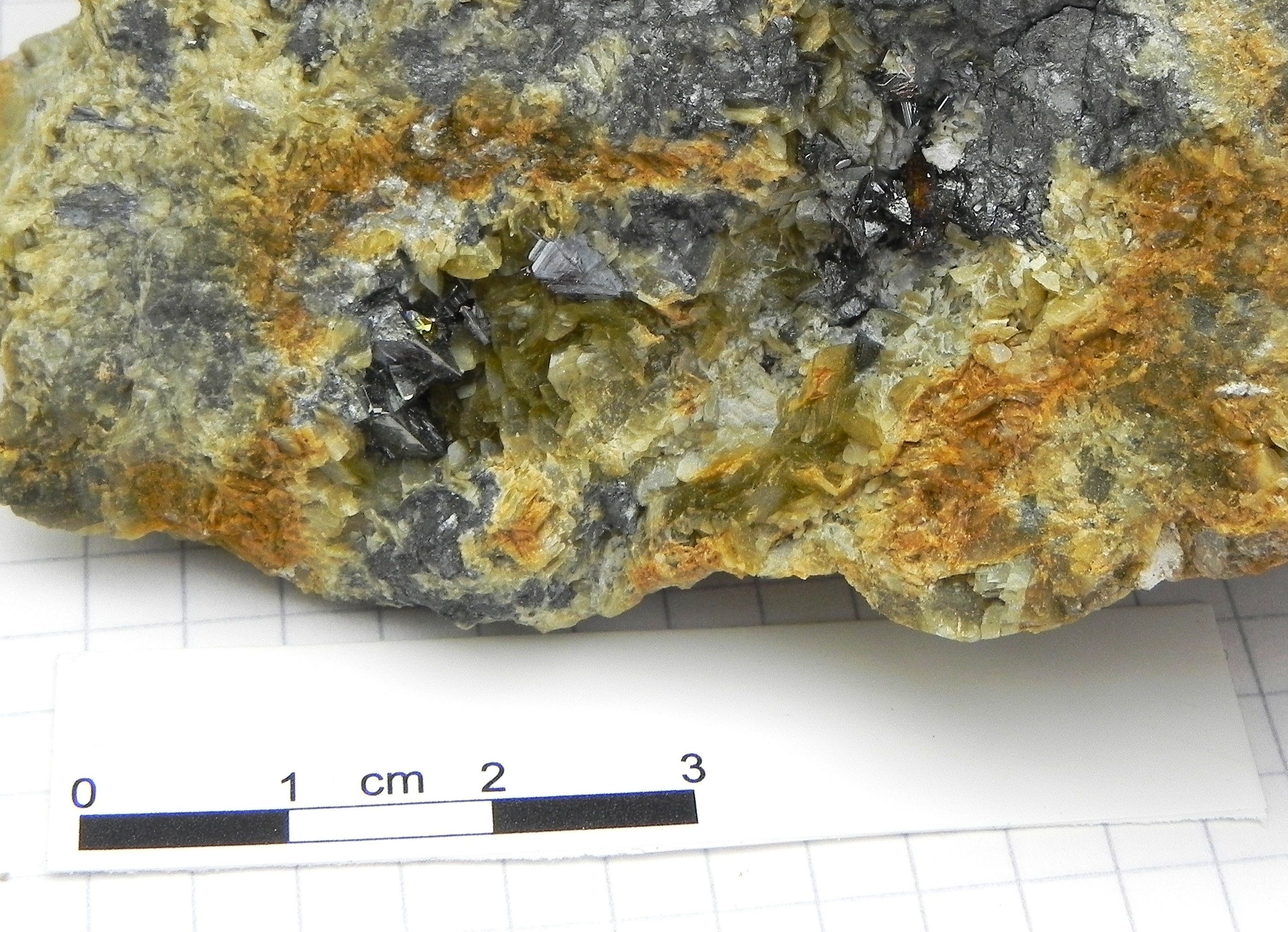
Historically, the first mining activity dates back to 1291 when mining for gold and silver was reported from Rosnoubana mine in Rožňava. With the discovery of America and the influx of precious metals from there into Europe, mining for those metals became less profitable. The focus shifted to iron and base metals.
The most important historic mines are: Rožňava/Rosnoubana mine (Au-Ag), Čučma (mostly antimony), Zlatá Baňa (Au - literally ‘Golden Mine’), Hrádok and Betliar (Fe, Cu).
Dobšiná Co-Ni
A special deposit of the Rožňava district are the Ni-Co-Fe-Cu veins of Dobšiná. The town has a long mining tradition, starting with iron and copper mining in early medieval times, like in other areas of the Rožňava district. However, in 1780, nickel-cobalt ores were discovered. The ore concentrates were exported to England and smelted there.
Geologically, the source of the nickel and cobalt are ultramafic rocks (derived from the earth’s mantle) within the Gemeric unit that do occur in other places. Both metals - in addition to the usual Rožňava mix - were leached out of the ultramafics and precipitated in the Cretacious in the veins.
Slovak Antimony - Suddenly of Interest
Another important metal in Slovakia is antimony. This metal recently made the news and the price tripled. Why? Well, antimony is used in ammunition as lead-antimony alloys (makes the lead harder). But besides that, antimony is used in various applications in medicine, electronics and in alloys with other metals, mostly tin and lead. Liquid antimony doesn’t shrink when it cools, so the metal is used make special alloys for precise foundry applications.
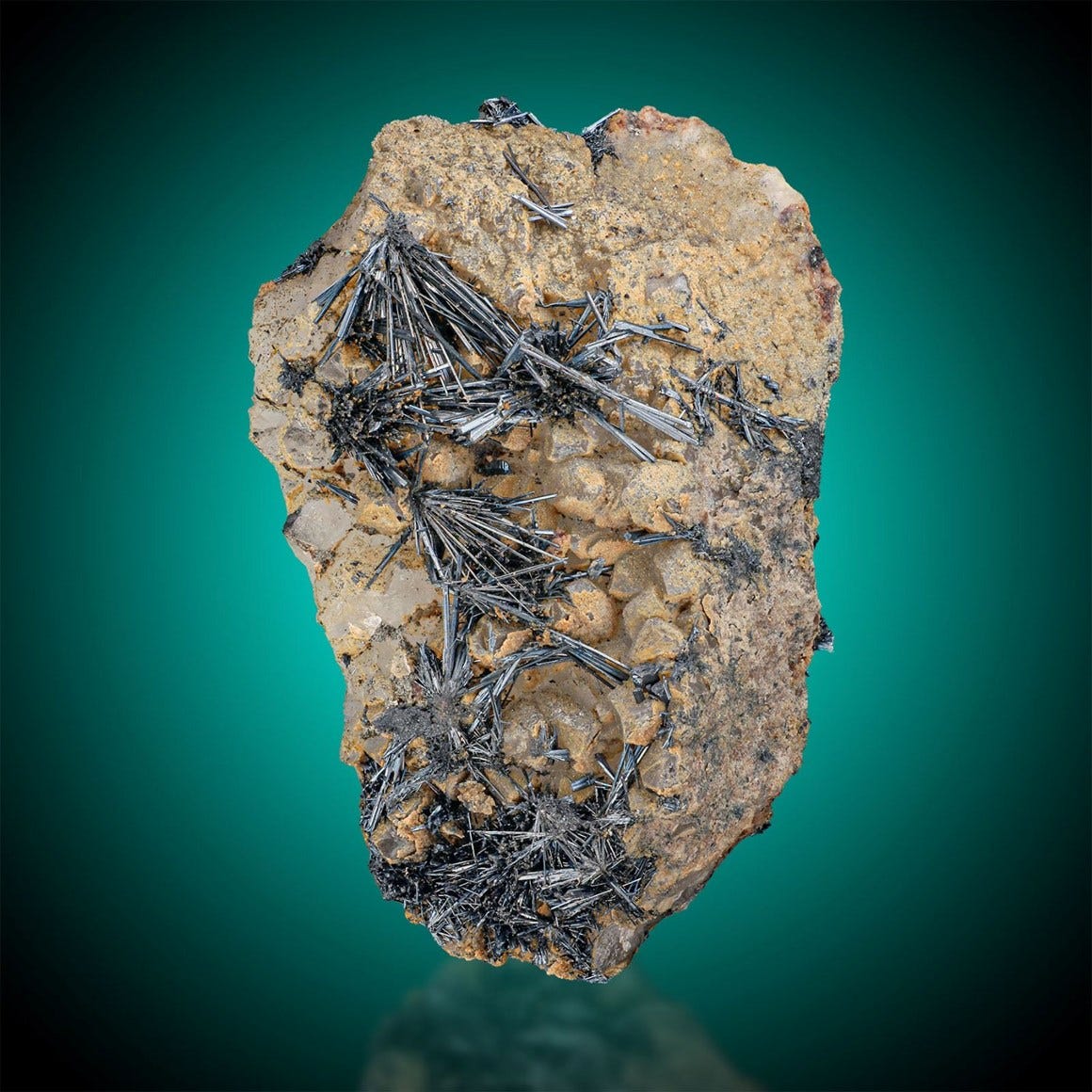
The metal was already known to the ancient Chinese and Babylonians, and it is therefore no wonder that antimony has its place in the Slovak mining tradition, as antimony is not rare in Slovakia. In many veins, especially in the Rožňava district, antimony occurs in tetrahedrite, a common copper, antimony and often silver-rich sulfosalt.
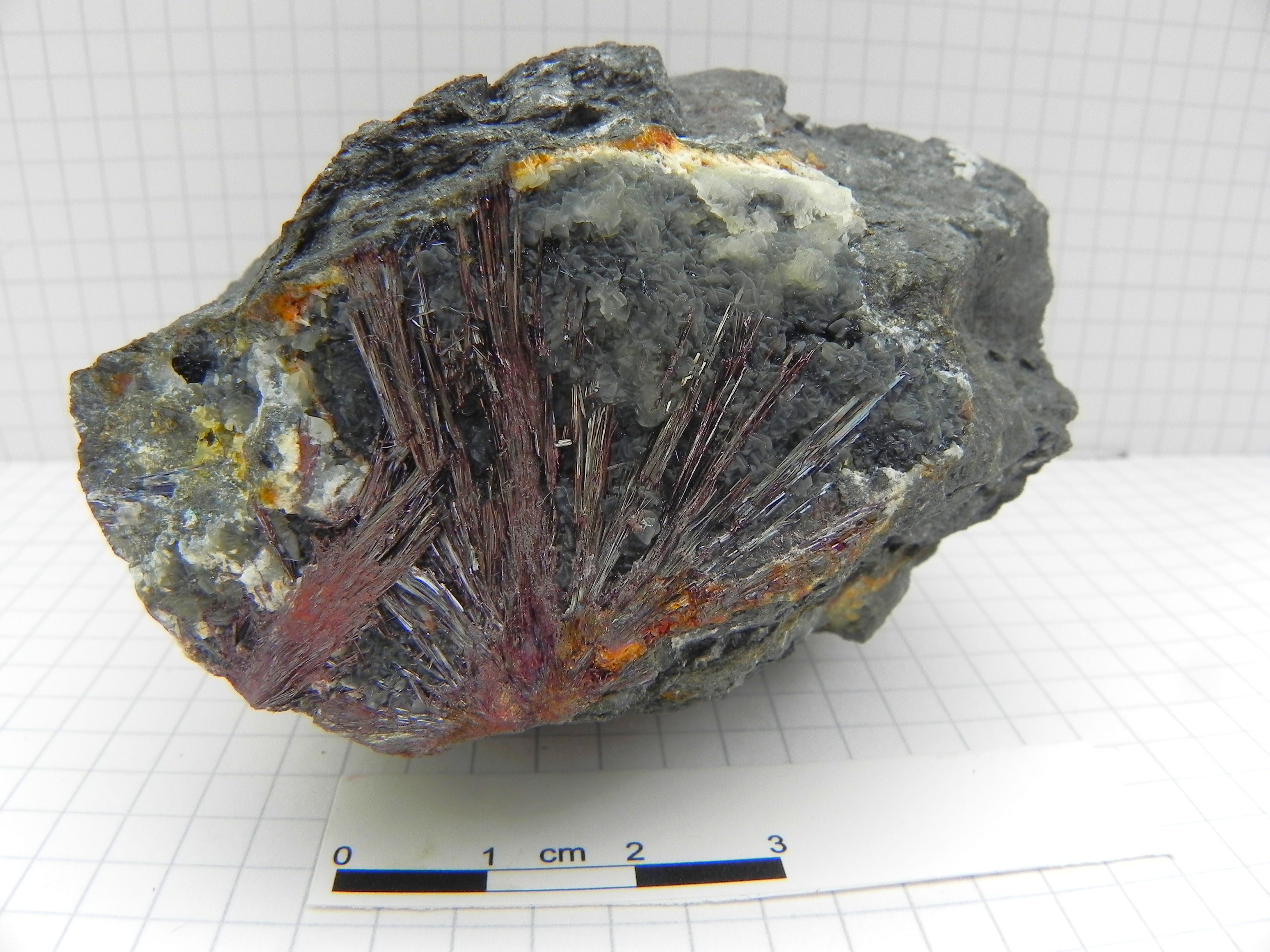
While the metal was only a by-product in Rožňava, it was the primary focus at Pezinok, just east of Bratislava. Here, typical Au-Sb veins hosted by black schists have been exploited from 1790 until 1991 with interruptions and produced some gold as by-product. Pezinok was one of the mayor European antimony mines. Historically, gold mining played a role as well in the Pezinok district.
Another important mine that operated during socialist times was Dúbrava in the Lower Tatra Mountains.
Recent Mining and Exploration
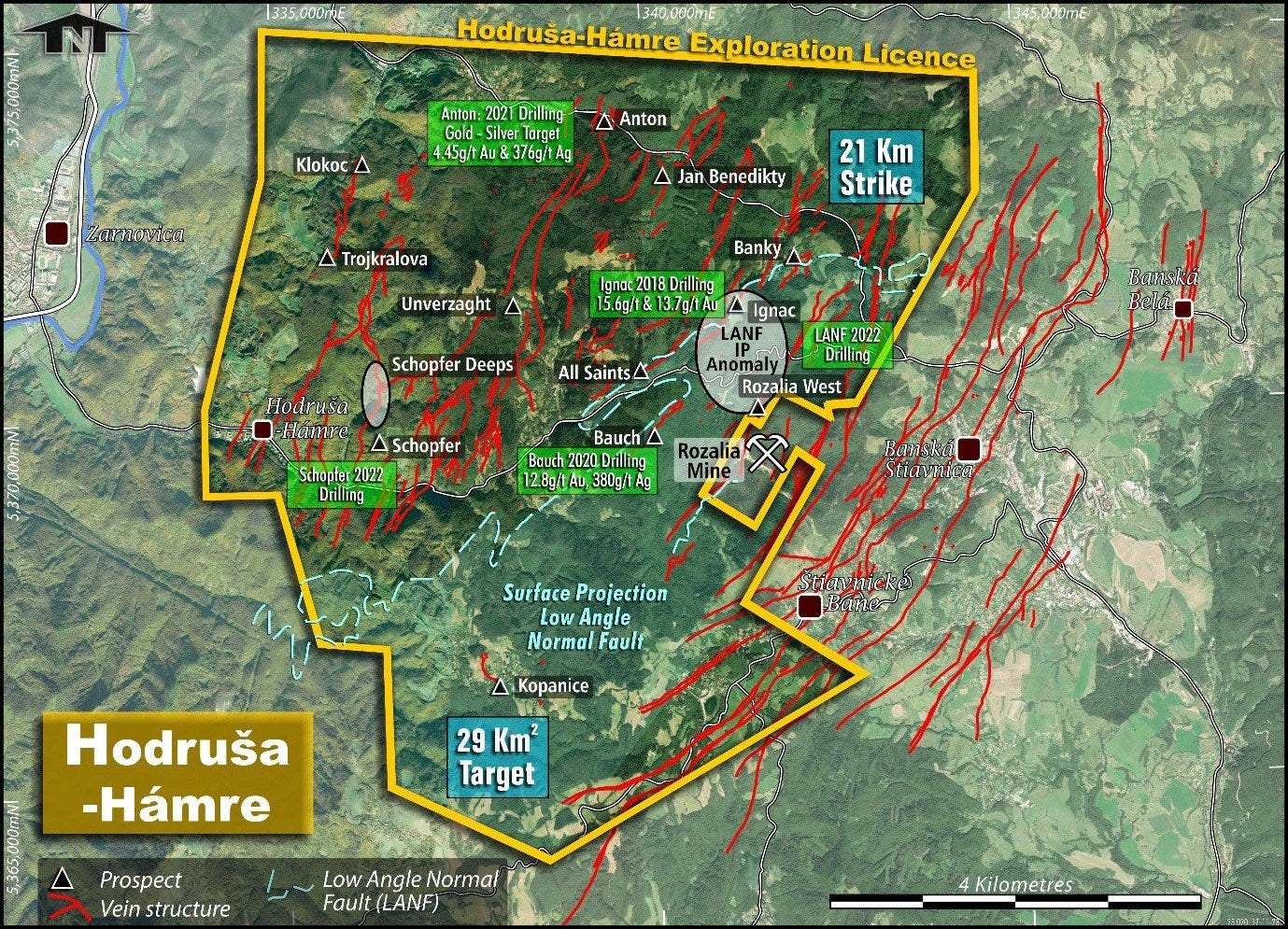
As of 2025, there is only one metal mine left: The operation at Rozália mine in Hrodrusa-Hamre near Banská Štiavnica mines about 30 to 45kt of ore annually. The metal grades according to Kubač et al. (2018) are as follows: 14g/t Au, 17g/t Ag, 0.1–0.2%, Cu, 0.3–0.6% Pb, 0.4–0.8% Zn. Small scale, high grade. The mine is owned locally by Slovenska Banska spol. s.r.o.
Prospech Ltd.
Currently, Prospech Ltd. (ASX:PRS, FSE:1P80) is exploring in the Banská Štiavnica district. I had the pleasure of visiting their core shed in 2022 and what they showed to us was nothing short of amazing. Besides the two geos there being super motivated and friendly, it was fascinating to see their drill cores and get an impression of the still untapped potential of that district. Based on what they told me, it seems to be the case that there are still many veins outcropping at the surface that were overlooked by early miners or the fine-grained gold in the quartz veins could not be processed at the time, so there was no chance for them to extract the gold. Also, during socialist times, gold and silver were not that relevant, the focus for exploration was on base metals. This also leaves quite a bit of potential for new Au-Ag discoveries.
The company is more focussed on their Finnish projects at the moment but hasn’t given up on Slovakia. I think their tenements are rather interesting, so I keep an eye on the company.
Metals Tech Ltd.
Another Au-Ag explorer is Metals Tech Ltd. (ASX:MTC) .The company owns the Kremnica licence covering an area of 9 km² north of Banská Štiavnica. The former mine has a JORC-compliant resource of 63 Mt at 1.22 g/t Au and 10.11 g/t Ag, containing 2.686Moz of gold and 22.21Moz of silver as a global resource.
The company released a scoping study on the Sturec deposit in December last year and recently raised AUD 3,300,000 to advance the project.
Military Metals Corp.
Last year, Military Metals Corp. (CSE:MILI, FSE:QN90, OTCQB:MILIF) acquired three projects in Slovakia, focussing mostly on antimony. As the name of the company suggests, is it focuses on metals that have an application within the arms sector. As Europe is currently trying to rearm, those metals will be in high demand. So from that perspective, the Canadians might have a good idea here. Let’s have a look at their assets.
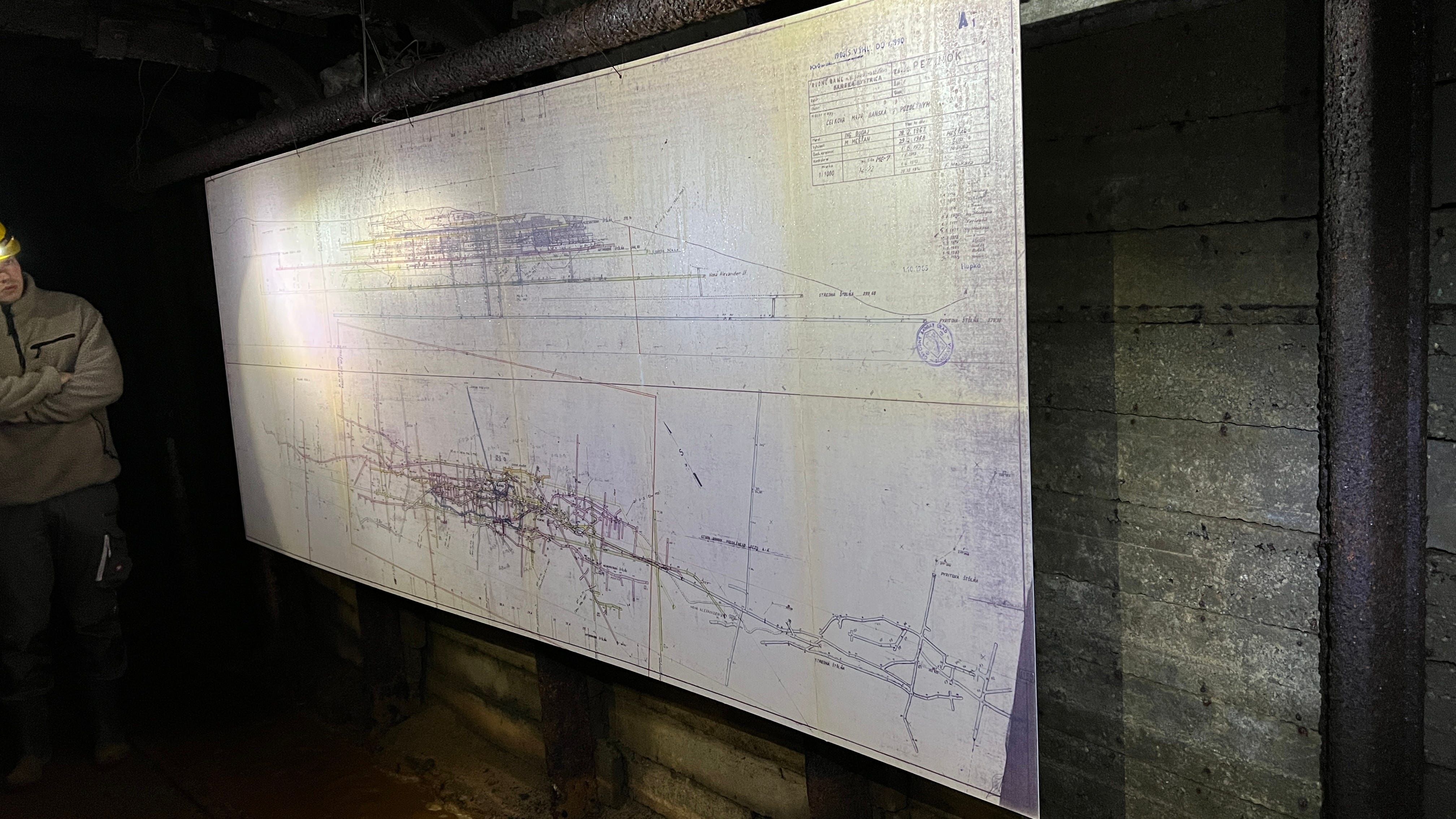
Trojarova Antimony-Gold project: Near the historic Pezinok mine, this asset comprises a similar antimony-gold mineralization. It was explored during the 1980s and early 1990s. This includes 63 drill holes (14,300 m total) and 1.7km of underground working. The previous owner refurbished the adit so it is accessible again. In 2022, I had the pleasure of visiting this adit, so I can confirm that. Boots got dirty, thanks to the black schist, it is a very muddy mine.
A historical resource from the 1990s exist and at a cut-off grade of 1.0% Sb, the project contains 2.46 Mt at 2.47% antimony and 0.6g/t Au (Czechoslovak P1 category, that is something between Inferred and Exploration Results). This month (04/25), the company aims to apply for a drilling licence, so drilling might on the menu for later this year.
Tiennesgrund Antimony project: This prospect comprises a 10km long zone with some historic adits from the 19th century. The mineralization is a similar Sb-Au system like in Pezinok/Trojarova, but additionally, there is also some tungsten in the area. According to the company, this area was explored during Socialist times; however, the area was not drilled. So Tiennesgrund is at an early exploration stage.
Medvedi-Potok Tin project: Perhaps this prospect is better known under the name of Hnilec. This mineralization was discovered in the 1970s. It was intensely explored, including trenching and drilling, even underground workings were established. The mineralization is a typical Greisen with associated tin veins. The historic resource (C2 category ~ Inferred) stands at around 800 000t at 0.198% Sn.
Comment from someone who is very familiar with Central European tin: 0.2% Sn is certainly not economic in an underground mine. However, the existence of these mineralizations makes me wonder if there aren’t more of them, since those tin granites rarely occur alone. Also, back in Socialist times, geologists wore the ‘tin goggles’ and focussed only on tin. But often, these systems are polymetallic and may contain tungsten, lithium, silver, bismuth and base metals. So perhaps there is more to Hnilec. Interesting for a geo, perhaps not so much for an investor.
With my autistic tin comment, I want to end this article. Slovakia is a place I definitely have to revisit, not only for its fascinating geology. I hope I could give you an overview of the country, its history and geology.
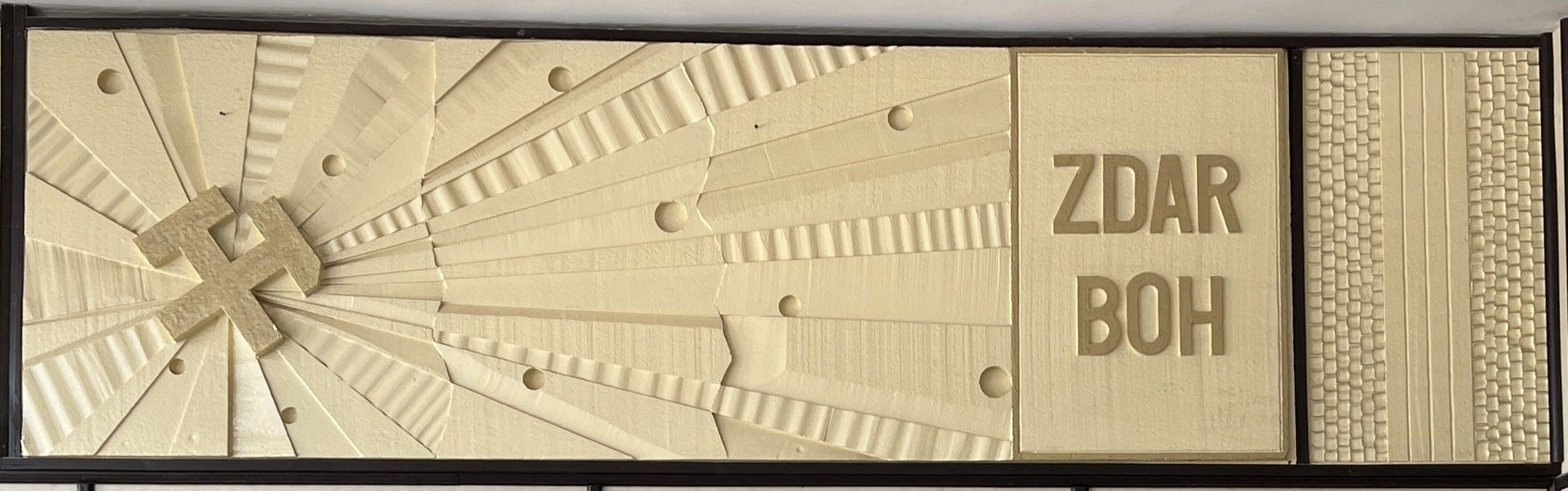
As the Slovak miners say:
And please - leave me a like for the algorithm. Researching this article was quite intense work. Thank you!
Until next time,
Geocap
Super interesting. Thanks for the write up. The sample images are dope, too.